
Why your media mix still needs broadcast
Digital did not kill radio and TV. It just made everyone forget what they are for.
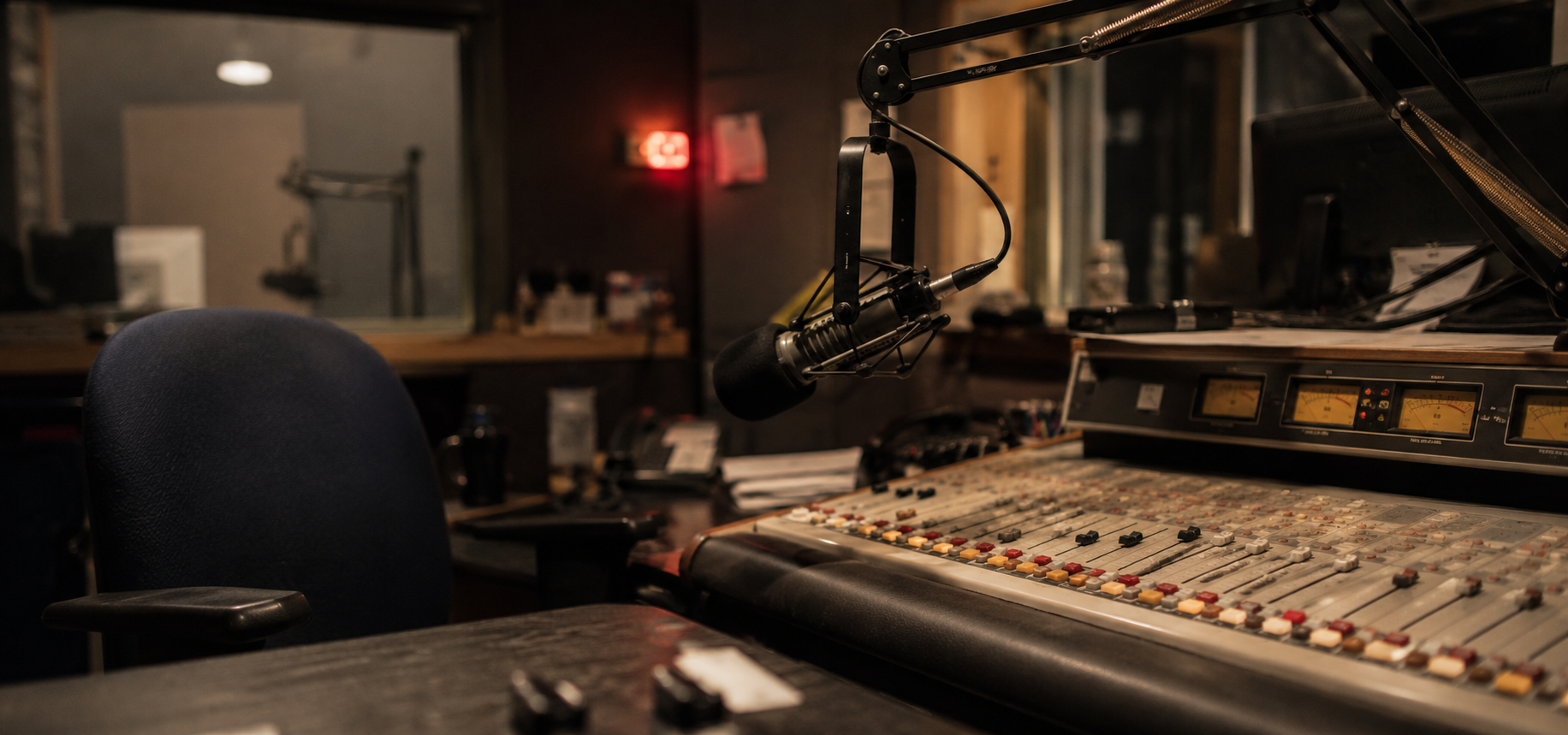
Somewhere in the last decade, broadcast became the medium marketers are embarrassed to recommend. Digital is measurable, targetable, and endlessly reportable, so budgets followed. But watch what happens in markets where a local business runs consistent radio or TV alongside its digital: the digital works better. Search volume rises. Click costs fall. Conversion rates climb.
Reach still matters
Digital excels at harvesting demand. Broadcast excels at creating it. A well-bought radio schedule puts your name in front of people who were not looking for you, at a cost per thousand that digital display rarely beats in local markets. When they eventually need you, you are the name they type into the search box, and that search converts at a fraction of the cost of a cold click.
Presence reads as trust
Fair or not, being on the radio or on TV still signals substance to a local audience. It says you are established, staying, and accountable. For categories where trust drives the purchase, that signal alone can justify the buy.
It measures better than you remember
Broadcast attribution has quietly improved: matched-market tests, promo codes, call tracking, and search-lift analysis make it possible to see what a schedule is doing. We measure our broadcast buys the way we measure digital, and we cut what does not perform.
The blend is the strategy
This is not an argument against digital. It is an argument against monoculture. The strongest local media plans we run put broadcast on top building the name, digital underneath capturing the demand, and one message system running through both.