AI-generated ads: where's the line?
AI can now write your ads, voice them, and generate the pictures. The question is not whether you can. It is when you should.
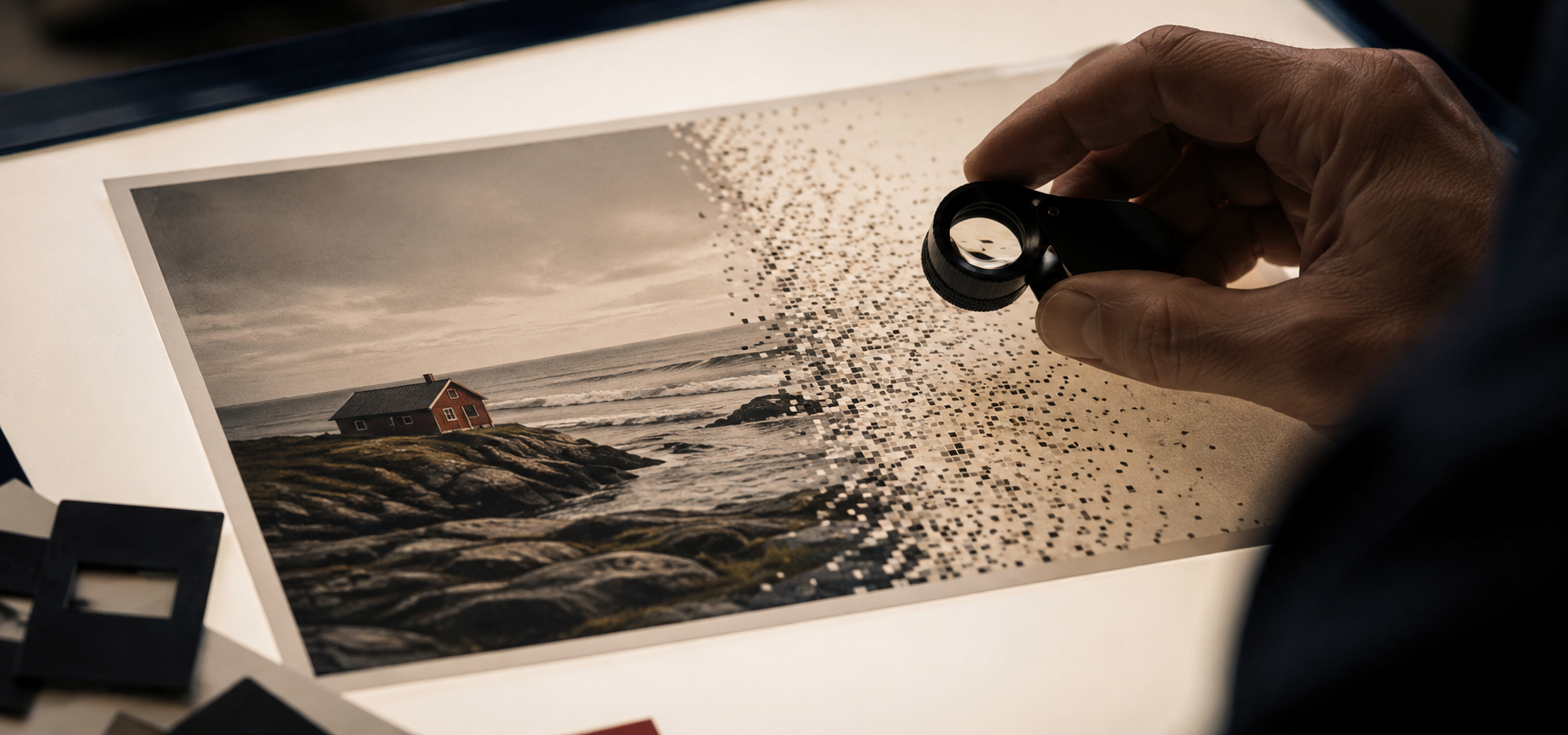
The tools are astonishing and getting better monthly. AI can draft your headlines, generate photorealistic imagery, clone a voice, and cut a video. The production barrier has essentially fallen. What has not changed is the audience on the other side, and they are developing a sharp eye for work no human checked.
Our working rule
AI drafts, humans approve. Every word, every image, every claim passes through a career marketer before it touches your brand. Not because the tools are bad, but because they are confident in both directions: confidently right and confidently wrong, in identical tones.
Where generated content is fine
Draft copy for testing. Layout comps and storyboards. Scratch voiceover to approve a script before the studio session. Background imagery where nothing is being represented as real. Resizing and versioning approved creative. In these lanes, AI is pure efficiency, and the savings go back into your media budget.
Where we draw the line
Anything presented as real must be real: your product, your people, your locations, testimonials. Faking authenticity with AI is not a shortcut, it is a time bomb, and audiences are increasingly unforgiving when it goes off. We also will not ship the almost-right: the copy with the slightly off idiom, the image with the wrong hands. Audiences read that as carelessness, because it is.
The brand question underneath
Every ad teaches people what your company is like. Work that a human demonstrably cared about teaches them you care. That is not sentiment, it is positioning, and it is why the line matters even when nobody would catch you crossing it.